A ‘Dad Daughter Era’ Embroidery Design Review
Stepping back from the day-to-day production grind to look at a new design file is always a good habit. Today, it’s Fathers Day in My Dad Daughter Era Funny. The title itself sets a specific, modern tone. It’s not just “Happy Father’s Day”; it’s a statement, a vibe. As an embroidery designer who works with real clients and sells finished products, my first question isn’t just about aesthetics—it’s about how this graphics-based design translates into thread on fabric, and what kind of project it truly belongs to.
The Immediate Mood & Visual Personality
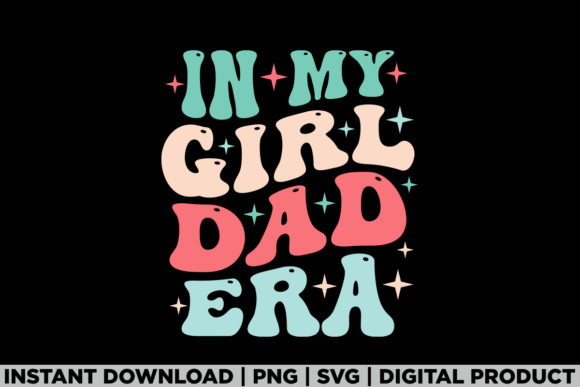
The design clearly taps into a contemporary, affectionate, and slightly humorous sentiment. “In My Dad Daughter Era” speaks to that specific, cherished phase of a relationship. It feels personal, current, and perfect for a gift that’s more about a shared bond than a generic holiday. Visually, as a graphics file intended for T-shirt designs, its layout will likely rely on clear, readable shapes and text. The “funny” aspect suggests a playful typography or a lighthearted illustration element. The mood is warm, inclusive, and geared towards creating a keepsake rather than just a seasonal garment.
Where This Design Finds Its Best Home
In practical terms, where does this embroidery file shine? I immediately picture it on a soft, mid-weight cotton sweatshirt or a durable canvas tote bag. These are items that carry the sentiment well—usable, personal, and often gifted. For a small business owner or Etsy seller, this design is a strong candidate for a custom, personalized gift. Think of a client ordering a tote for her dad, or a dad ordering a sweatshirt for his daughter. It works beautifully for that.
Beyond apparel, consider a sturdy embroidered patch. A well-made patch with this message could be applied to a jacket, backpack, or even a pillow cover for a nursery or teen’s room. The theme extends beyond Father’s Day itself, making it viable for birthdays or just-because gifts, as the product description hints. For holiday embroidery projects, it’s specific enough to be meaningful but not so narrowly seasonal that it can’t sell year-round.
A Real Project Scenario: The Custom Embroidered Tote
Let’s walk through a typical use. A customer requests a custom tote bag for her father, who always carries his gardening tools in a cheap bag. She wants something sturdy and personal. I load Fathers Day in My Dad Daughter Era Funny. On my screen, the graphics look clean. But the real test is the stitch-out. On scrap canvas, I check the stitch density—is it too dense for the fabric? Are the small text details, especially in “Era,” going to be clear with a satin stitch or will they need a simpler running stitch? The emotional payoff is high here: a finished tote with this message isn’t just a bag; it’s a story. That’s the kind of value that builds customer trust and repeat business.
Careful Considerations for a Clean Finish
No design is perfect for every application. Here’s where a practical, realistic mindset saves a project. Given its likely bold, graphics-driven style, Fathers Day in My Dad Daughter Era Funny needs space. On very small hoop sizes, the detail might compress and lose clarity. I’d avoid stitching it on overly textured fabrics like thick terry cloth or on very thin fabric like a light tee without proper stabilizer, as the density could cause puckering.
Dark fabric backgrounds require careful thread color planning. A white or light text on a black sweatshirt is classic, but you must ensure the fill stitches are solid and opaque. On curved surfaces like caps, the layout might need adjustment—a long, horizontal design doesn’t always fit a cap’s front panel well. Always test the design on scrap fabric first, matching the final project’s material. And for items that need frequent washing, like baby clothes or kitchen towels, a robust stitch construction with good stabilizer is key to longevity.
The Impact on Your Business & The Buyer
Using a design like this isn’t just about making a single item. It’s about building a brand consistency if you specialize in personalized family-themed goods. It enhances giftability and recognition—customers see it and immediately understand the sentiment. For a craft business, it’s a versatile design asset. You can offer it on multiple products: totes, sweaters, baby embroidery on a onesie (for a grandpa), or even a framed embroidered patch. This versatility increases your listing potential on platforms like Etsy.
The handmade presentation of an embroidered version adds tangible value over a printed graphic. Stitches have texture and depth. This perceived quality can justify a higher price point and foster a more professional impression. When a buyer sees a crisp, clean stitch-out of this design on your printable mockup or finished product photo, the buyer engagement is stronger—they connect with the craft and the message.
Practical Notes Before You Hit ‘Start’ on Your Machine
Here’s my quick checklist, drawn from experience:
- Test on both light and dark fabric backgrounds. Does it hold its visual weight on both?
- Review stitch density in the file preview. If it’s very dense, plan for appropriate stabilizer and possibly a larger hoop size.
- Inspect small details. Zoom in on any intricate corners or tiny lettering. Will your machine and thread handle them cleanly?
- Confirm licensing. The product description mentions various occasions, but before selling finished items or using it in commercial embroidery projects, always verify the license terms of the digital embroidery file.
- Consider thread contrast. Choose colors that maximize readability and match the playful yet warm mood of the design.
- Finally, think beyond the holiday. As the description says, it’s ideal for many recipients. This opens up your product planning for birthdays, grandparent gifts, and more, making it a smarter investment for your small shop product lineup.
In essence, Fathers Day in My Dad Daughter Era Funny is more than a holiday graphic. It’s a modern, relationship-focused statement that translates well into the tangible world of embroidery. With careful project selection and standard professional prep—testing, stabilizing, and considering the end-use—it can become a standout item in your craft business or a deeply appreciated personalized gift. It reminds us that good embroidery design isn’t just about the file; it’s about the story it stitches into the fabric.