A Design for Strength and Heart
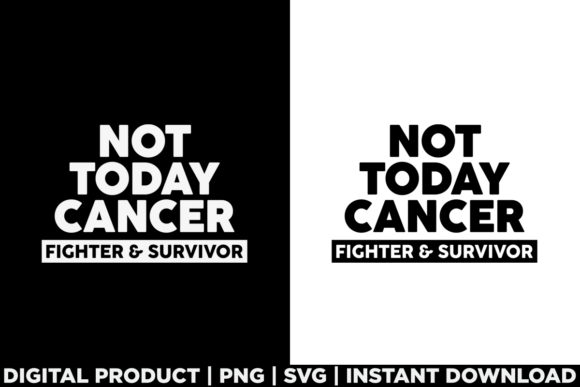
When you look at the Not Today Cancer Fighter and Survivor design, the first thing you notice isn’t its complexity, but its heart. It’s a design with a mission. The overall mood is one of defiant hope, a sentiment that translates powerfully into visual form. For an embroidery designer looking to create meaningful work, this isn’t just a graphic; it’s a statement waiting to be stitched. Its personality is bold yet compassionate, making it a natural fit for projects where the message matters as much as the craftsmanship.
Where This Design Finds Its True Home
Thinking about real applications, I picture this design excelling on items meant for comfort and daily affirmation. Imagine preparing a custom embroidered sweatshirt for a client. This isn’t a quick, generic gift. It’s a personal armor, something soft and wearable that carries a powerful message. The design would sit beautifully on the chest of a cozy fleece, its declaration becoming part of the garment’s essence. Similarly, a sturdy canvas tote bag embroidered with this design transforms a simple carrier into a companion for appointments or everyday errands, a visible token of resilience.
For a more delicate application, consider a baby item, like a soft blanket. Embroidering this for a parent who is a survivor creates an heirloom of strength, wrapping the next generation in a story of courage. As a patch, it offers incredible flexibility—it can be ironed onto a cap, a backpack, or a pillow cover, allowing the recipient to place this badge of honor wherever they need it. In a boutique or small shop setting, offering this design on tea towels, apron pockets, or simple pillow covers creates a product line that speaks directly to empathy and support, far beyond typical decorative motifs.
The Practicalities of Stitching a Statement
In practical embroidery situations, the clarity of the message is paramount. On a t-shirt or lightweight custom apparel, you’ll need to be mindful of stitch density and stabilizer choice to prevent puckering, especially if the design has areas of fill stitch. The lettering and any symbolic elements—like a potential ribbon or similar motif implied by the title—need to be crisp. On darker fabrics, thread color contrast is critical; a bold, bright palette will ensure the design doesn’t get lost.
There are places, however, where this design should be used with careful planning. Very small hoop sizes might compromise the readability of the text. On highly textured fabrics or stretchy fabrics like some knit caps, the details could become blurred. Curved surfaces, like the crown of a cap, require excellent stabilization and possibly a reduction in overall design size to maintain integrity. If the design includes tiny lettering or dense decorative accents, testing on scrap fabric first is non-negotiable. This isn’t just about technique; it’s about respecting the gravity of the message by ensuring it’s presented cleanly and professionally.
How It Elevates Your Work and Your Client’s Experience
From a business perspective, using the Not Today Cancer Fighter and Survivor design affects several key areas. Visually, it immediately conveys value—it’s not a frivolous decoration. This enhances customer trust and engagement, as buyers recognize the thoughtfulness behind offering such a design. For a crafter or Etsy seller, it elevates a handmade product from a simple item to a personalized gift with profound emotional weight.
It boosts giftability immensely, suitable for birthdays, holidays, or any occasion where support is the true gift. For commercial embroidery projects or a craft business, it adds a layer of brand consistency if your shop focuses on uplifting, meaningful themes. The professionalism comes from executing it flawlessly—clean stitches, smart placement, and high-quality materials. When a client receives a finished product with this embroidery, the presentation of the design itself becomes part of their story, deepening the connection to your work.
A Designer’s Notes Before You Hoop the Fabric
Before you run this embroidery file, here are my grounded recommendations. Always test on a scrap of your intended fabric first. This checks for any issues with stitch density on that specific material. Review the design closely in a software viewer; inspect any small details to ensure they will stitch out clearly at your planned size.
Check thread color contrast. Create simple black and white mockups, or compare how it would look on both light and dark fabric backgrounds in your mind—this informs your thread choices. Use the proper stabilizer for the project; a tote bag needs different support than a baby blanket. Crucially, confirm the licensing terms for this digital embroidery file. The product description suggests it’s for various occasions and recipients, but you must verify if it’s cleared for commercial use, allowing you to sell the finished products or use it in your small shop merchandise. Never assume.
Finally, consider the broader application. This design, as a graphic, is powerful. But its power is fully realized only when stitched with care onto a product that deserves it. Whether you’re creating a holiday gift for a dear friend or adding a new line to your Etsy listings, approach it with the same respect the message commands. That attention, from choosing the right hoop size to selecting perfect thread colors, is what transforms a machine embroidery design into a lasting emblem of fight and survival.