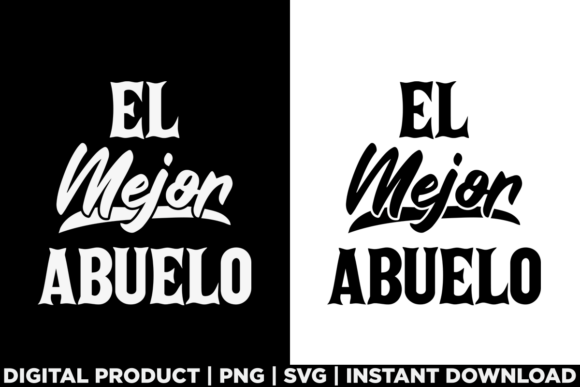
Real‑World Review: The Abuelo Grandpa Design
When a design lands in my library, my first question is always, "How will it stitch?" I’m not just looking at the preview image; I’m imagining the thread hitting the fabric, the final product in a customer’s hands, and the kind of project it truly belongs to. Today, I’m walking through my thoughts on the Abuelo Grandpa Fathers Day Gift Shirt embroidery file from the point of view of a working designer and reviewer.
The First Impression: Warmth and Recognition
This design immediately creates a mood of familial warmth and classic recognition. The theme is clear and heartfelt, which is exactly what you want for a gift‑oriented embroidery project. The layout feels balanced, with a focus on the central message. The detail level appears thoughtful—it’s not overly complex, which is a real advantage for stitching it on a variety of surfaces. The visual personality is friendly and traditional, making it a safe bet for projects aimed at a wide audience, from grandkids looking for a gift to small shops wanting a reliable product for their holiday lineup.
Where This Design Naturally Belongs
Given its category as a T‑Shirt Design and its broader description, this machine embroidery design has a natural home on custom apparel. Picture a soft, heavyweight sweatshirt for Grandpa, a classic cotton tee for a Father’s Day barbecue, or a cozy robe for a birthday gift. But its application stretches far beyond shirts. I can easily visualize it stitched neatly on the front of a canvas tote bag—a practical, daily‑use gift. It would look charming as a framed patch on a denim jacket or as a centered piece on a pillow cover for a grandson’s room. For baby items, like a personalized blanket or a simple burp cloth, it adds a touch of legacy. In a boutique setting, this design could adorn aprons, kitchen towels, or even be offered as a custom embroidery option for holiday gifts.
For Etsy sellers and creative entrepreneurs, this is a versatile digital embroidery file. It can be the centerpiece of a printable mockup for your shop listing, showing potential buyers exactly how it could look on a finished product. It fits into the commercial embroidery workflow for small‑batch merchandise, say for a craft fair table full of personalized tea towels or caps.
A Real‑Life Scenario: Preparing a Custom Embroidered Tote
Let’s say a client orders a custom tote bag as a retirement gift for her abuelo. I’m considering this design. My practical judgment starts with scale. On a tote’s larger, flat surface, the design will have room to breathe, and the stitch clarity should be excellent. I’d think about thread color contrast—perhaps using a rich navy or a classic black on a natural canvas fabric. The customer’s reaction? They’ll likely appreciate the clean, heartfelt message without any visual clutter. It feels handmade yet professional, which builds customer trust. For my own brand consistency, if I specialize in family‑oriented gifts, this design is a solid addition to my collection, enhancing my shop’s giftability and recognition.
Performance in Actual Embroidery Situations
On stable fabrics like cotton twill (for totes), polo‑shirt pique, or quilted cotton (for pillow covers), this design should perform reliably. The stitch density, assuming it’s well‑optimized in the file, will be key. Areas with potential small lettering or decorative accents need to be inspected in the actual embroidery file before running a project. On sweatshirts, using a proper cut‑away stabilizer will prevent puckering. For baby clothes or thinner fabrics, a lighter stabilizer and perhaps reducing the scale slightly might be necessary to maintain fabric integrity.
On the flip side, there are places to use this design carefully. Stretchy fabrics like standard t‑shirt jersey require extra stabilization and might not be ideal for very dense fill stitch areas. Dark fabrics demand careful thread color selection to ensure the design pops—a white or light grey might be perfect. Curved surfaces like caps can be tricky; the layout would need to be tested in a smaller hoop size to see if any elements distort. Tiny details, if present, could get lost on textured fabrics like some blanket materials. And for products that need frequent washing, like kitchen towels, I’d always recommend testing the design on scrap fabric first to see how the stitches hold up over simulated washes.
Affecting Appeal, Value, and Engagement
A well‑stitched version of this design elevates the visual appeal of the finished product. Clean satin stitches on the lettering and smooth fill stitches in any decorative elements create a polished look. This directly impacts the product’s perceived value—a customer sees a professional‑level handmade product. For a craft business, that professionalism translates to buyer engagement; they’re more likely to return for other personalized gifts. The design’s straightforward theme makes it highly giftable; it communicates its purpose instantly. For commercial embroidery projects, it’s a low‑risk, high‑reward option because of its broad audience appeal.
Practical Designer Notes Before You Stitch
My routine before committing any design to a client project or my own shop merchandise involves a few checks. For the Abuelo Grandpa Fathers Day Gift Shirt design, I would strongly advise:
- Run a test on scrap fabric identical to your final project material. This reveals everything about stitch density, thread tension, and any potential hiccups.
- Check the actual embroidery file for small details. Zoom in on the preview or run a small test hoop to inspect corners and any fine lines.
- Review it in both black and white mockups. How does it look on a light background versus a dark background? This helps plan your thread palette.
- Confirm the hoop size you plan to use is suitable. If the design is large, ensure your machine and hoop can accommodate it.
- Use the proper stabilizer for your fabric. This is non‑negotiable for a clean finish.
- Most importantly, check the licensing terms provided with the design file. Confirm whether it’s cleared for both personal and commercial projects before you sell finished items or incorporate it into your digital product offerings.
Final Thoughts on Fit and Application
This embroidery design is a strong candidate for your gift‑centric projects. It’s not a niche graphic; it’s a warm, recognizable piece that fits into many scenarios. As a designer, I appreciate that it likely won’t require excessive thread changes or cause major machine headaches, assuming the file is well‑digitized. It serves the small shop product ecosystem beautifully—it’s easy to visualize, easy to sell, and easy for the customer to love. Whether you’re preparing a one‑off holiday gift or stocking your Etsy store with embroidered baby blankets, this design offers practical versatility. Just remember to do your pre‑stitch homework: test, check, and stabilize. That’s how you ensure the Abuelo Grandpa Fathers Day Gift Shirt design translates from a promising graphic on your screen to a cherished, well‑made finished product in someone’s hands.